
Beamy
Beamy is a SaaS management platform that provides usage intelligence, application portfolio management, and digital transformation insights for large enterprises. The platform helps organizations discover, manage, and govern their SaaS application portfolio.
Use Cases the Adapter Solves
- SaaS Application Discovery: Gain complete visibility into all SaaS applications in use across your organization, including shadow IT and unmanaged applications.
- Application Portfolio Management: Track application ownership, usage patterns, and user adoption to optimize your SaaS portfolio and reduce redundant subscriptions.
Asset Types Fetched
- SaaS Applications
Before You Begin
Required Ports
- TCP port 443 (HTTPS)
Authentication Methods
API Key Authentication
The adapter authenticates using an API key provided by the Beamy Customer Success team.
APIs
Axonius uses the Beamy API. The following endpoints are called:
GET /v1/apps- Retrieves the list of SaaS applications discovered by Beamy
Required Permissions
The API key must be generated by the Beamy Customer Success team with appropriate permissions to access application data.
Note: The exact permission names should be confirmed with your Beamy administrator or Beamy support, as the API documentation is not publicly available.
Supported From Version
Supported from Axonius version 7.2.0.
Connecting the Adapter in Axonius
Navigate to the Adapters page, search for Beamy, and click on the adapter tile.
Click Add Connection.
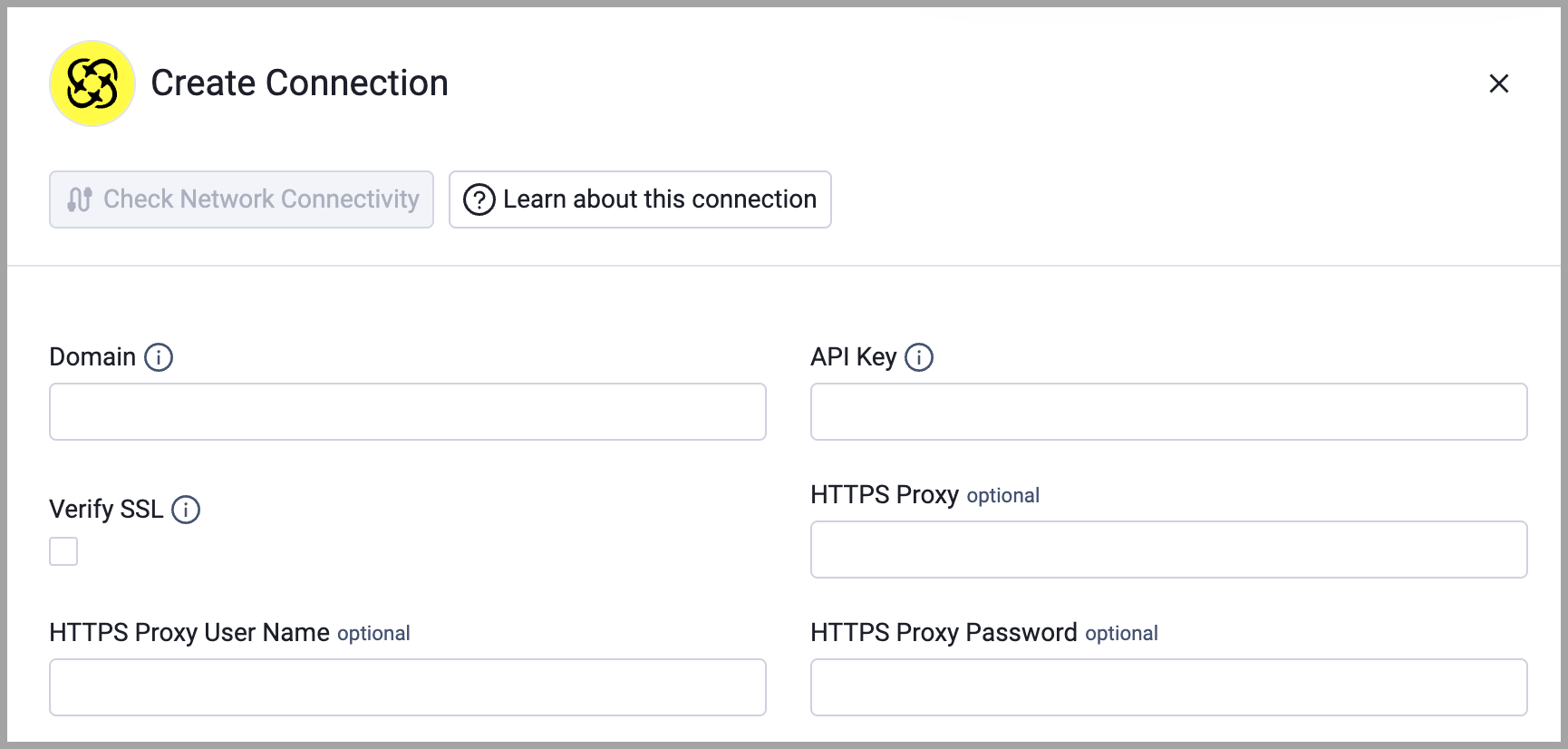
To connect the adapter in Axonius, provide the following parameters:
Required Parameters
- Domain - Beamy API domain URL. Example:
https://api.beamyapp.com - API Key - API key provided by Beamy Customer Success team.
Optional Parameters
- Verify SSL - Select whether to verify the SSL certificate of the server against the CA database inside of Axonius. For more details, see SSL Trust & CA Settings.
- HTTPS Proxy - Connect the adapter to a proxy instead of directly connecting it to the domain.
- HTTPS Proxy User Name - The user name to use when connecting to the value supplied in Domain via the value supplied in HTTPS Proxy.
- HTTPS Proxy Password - The password to use when connecting to the server using the HTTPS Proxy.
To learn more about common adapter connection parameters and buttons, see Adding a New Adapter Connection.
Updated 5 months ago