
OpenText Server Automation
OpenText Server Automation (formerly Micro Focus Server Automation, HP Server Automation, and Opsware) provides operating system provisioning, automated patch management, and compliance control.
Use Cases the Adapter Solves
- Comprehensive Server Inventory Management: Gain centralized visibility into all physical and virtual servers managed by OpenText Server Automation, enabling complete asset lifecycle tracking and automated inventory reconciliation across your infrastructure.
- Patch Compliance Monitoring: Identify servers with missing critical patches and monitor patch deployment status across your environment, allowing security teams to quickly address vulnerabilities and maintain compliance with organizational security policies.
Asset Types Fetched
- Devices
Data Retrieved through the Adapter
Devices - Fields such as Device Name, Operating System, IP Address,, Last Seen Date
Before You Begin
Required Ports
- TCP port 443 (HTTPS - SOAP API)
Authentication Methods
Basic Authentication using username and password credentials configured in OpenText Server Automation.
APIs
Axonius uses the OpenText Server Automation SOAP API.
Required Permissions
The user account specified in the connection must have read access to devices within the OpenText Server Automation environment. Consult your OpenText Server Automation administrator for the appropriate role assignments required for API access.
Connecting the Adapter in Axonius
Navigate to the Adapters page, search for OpenText Server Automation, and click on the adapter tile.
Click Add Connection.
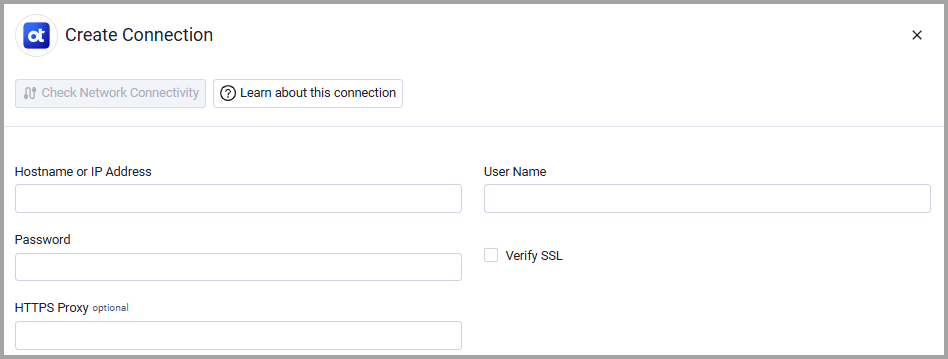
To connect the adapter in Axonius, provide the following parameters:
Required Parameters
-
Hostname or IP Address - The hostname or IP address of the OpenText Server Automation server.
-
User Name - The username for an account with read access to devices in OpenText Server Automation. Example:
axonius_api_user -
Password - The password for the account specified in User Name.
Optional Parameters
-
Verify SSL - Select whether to verify the SSL certificate of the server against the CA database inside of Axonius. For more details, see SSL Trust & CA Settings.
-
HTTPS Proxy (optional) - Connect the adapter to a proxy instead of directly connecting it to the domain.
To learn more about common adapter connection parameters and buttons, see Adding a New Adapter Connection.
Updated 4 months ago